
Vertigo/dizziness and Syncope (चक्कर आना / बेहोशी)
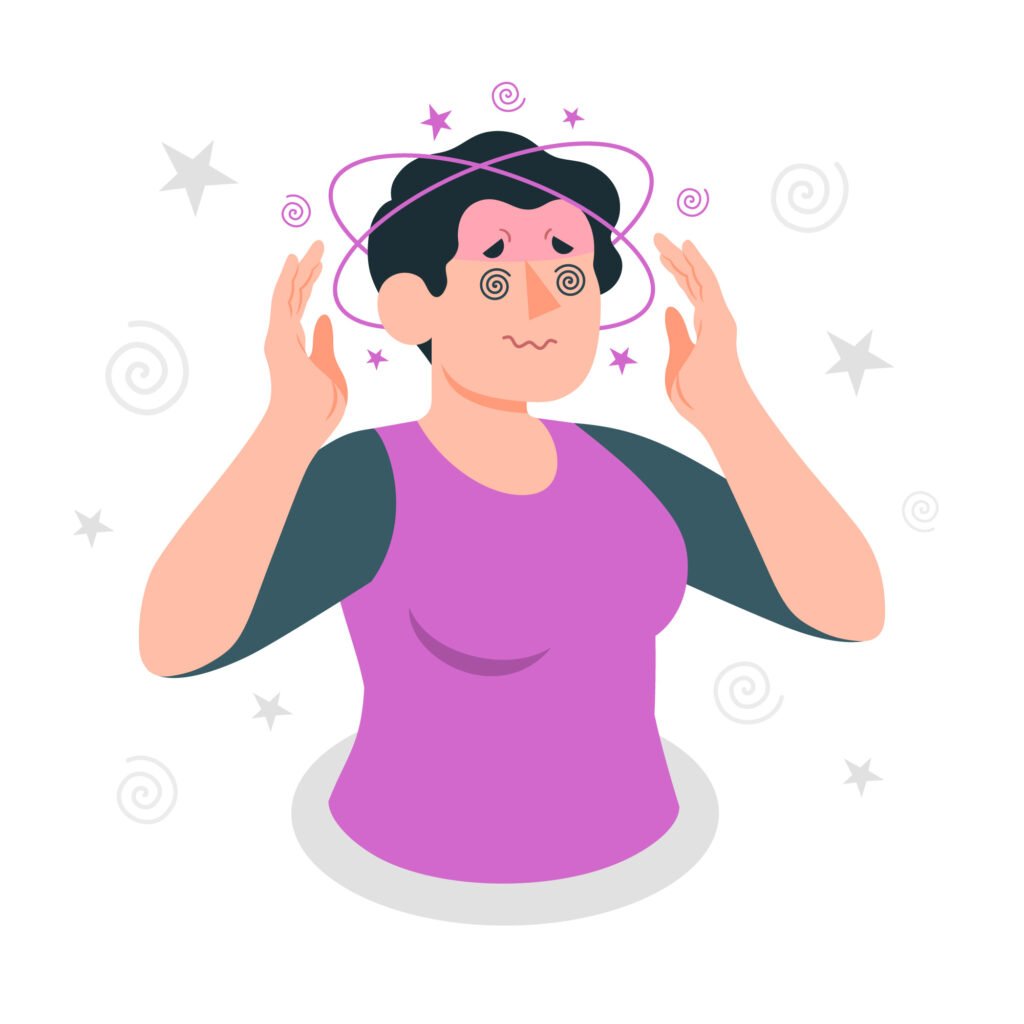
Understanding Vertigo and Dizziness
Vertigo and dizziness are sensations of imbalance that can significantly interfere with daily life. While often used interchangeably, they describe different experiences: vertigo is a spinning or swaying sensation, as if you or your surroundings are moving, while dizziness may include feelings of lightheadedness, unsteadiness, or feeling faint.
These symptoms are not diseases themselves but signs of underlying issues related to the inner ear, brain, or nervous system. Identifying the root cause is essential for proper treatment and long-term relief.
Common Causes of Vertigo and Dizziness
Inner Ear Disorders
Benign Paroxysmal Positional Vertigo (BPPV): Triggered by changes in head position, causing brief spinning sensations.
Labyrinthitis and Vestibular Neuritis: Infections or inflammation affecting the inner ear and balance nerves.
Meniere’s Disease: A condition marked by vertigo, hearing loss, and ringing in the ear.
Neurological Conditions
Migraines, multiple sclerosis, brainstem stroke, or tumors can all impact balance and spatial orientation.
Low Blood Pressure or Circulation Issues
Reduced blood flow to the brain can result in dizziness or fainting sensations.
Medications and Dehydration
Certain blood pressure medicines, sedatives, or diuretics can affect equilibrium. Dehydration or electrolyte imbalances may also contribute.
Anxiety and Panic Disorders
Chronic anxiety may cause a sensation of floating or spinning, especially in crowded or open spaces.
Recognizing Symptoms
Spinning or whirling sensation (vertigo)
Feeling off-balance or unsteady while walking
Lightheadedness or sensation of floating
Nausea or vomiting associated with motion
Visual disturbances (blurred vision, difficulty focusing)
Difficulty standing or walking without support
Ear symptoms like ringing, fullness, or hearing loss (in some cases)
Understanding Syncope (Fainting)
Syncope is the sudden, temporary loss of consciousness and muscle tone, usually due to a drop in blood flow to the brain. It’s commonly referred to as “fainting” and is typically brief, with quick recovery. While often harmless, especially in younger people, syncope can also be a warning sign of underlying cardiovascular, neurological, or metabolic problems.
Common Causes of Syncope
Vasovagal Syncope
The most common type, triggered by emotional stress, pain, prolonged standing, or fear. It results from sudden blood vessel dilation and heart rate slowing.
Orthostatic Hypotension
A drop in blood pressure when standing up too quickly, often due to dehydration, medications, or nerve disorders.
Cardiac Syncope
Caused by heart rhythm disturbances, structural heart problems, or blockages that impair blood flow to the brain.
Neurological Causes
Seizures, transient ischemic attacks (TIAs), or autonomic nervous system disorders may also lead to loss of consciousness.
Situational Triggers
Coughing, swallowing, urination, or intense laughing may induce syncope in some individuals.
Recognizing Symptoms
Sudden lightheadedness or dizziness
Blurred or tunnel vision
Nausea, sweating, or cold skin
Feeling of warmth followed by weakness
Temporary blacking out or collapsing
Rapid recovery after lying down
Both vertigo/dizziness and syncope require careful medical evaluation to determine the underlying cause. Accurate diagnosis helps guide appropriate treatment—whether it involves balance exercises, lifestyle changes, or targeted therapy—ensuring better safety, stability, and peace of mind.