
Headache / Migraine (सरदर्द / माइग्रेन)
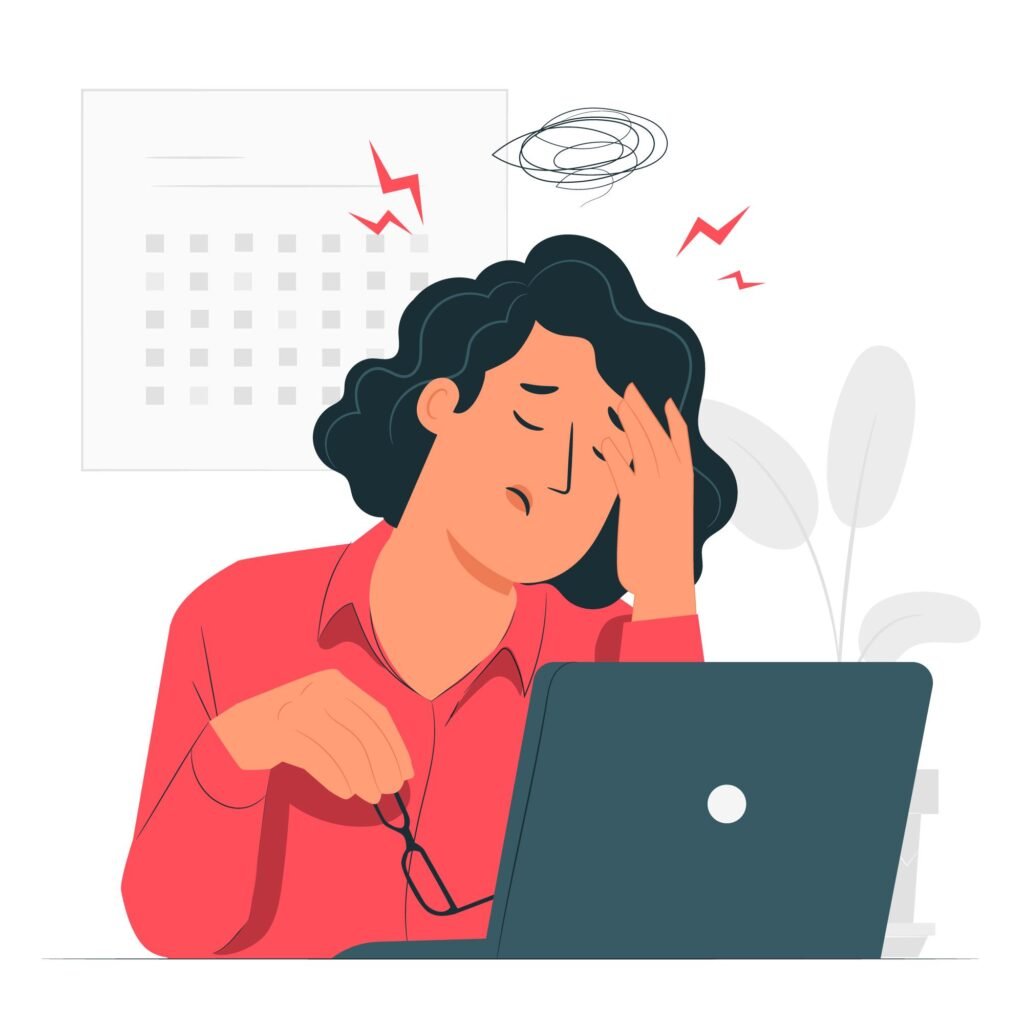
Understanding Headache and Migraine
Headaches are one of the most common neurological complaints, affecting people of all ages. While most headaches are harmless and short-lived, recurring or severe headaches can interfere with daily life and may indicate an underlying neurological condition. Migraines, a specific type of headache disorder, are often more intense and accompanied by additional symptoms like nausea and sensitivity to light or sound.
Recognizing the differences between common headaches and migraines is key to managing symptoms effectively and improving quality of life.
Common Types of Headaches
Tension-Type Headache
The most common form, described as a dull, constant pressure or tightness around the forehead or back of the head. It’s usually not severe and doesn’t worsen with physical activity.
Migraine
A neurological disorder marked by recurring, throbbing headaches, typically on one side of the head. Migraines may last for hours to days and are often accompanied by nausea, vomiting, and sensitivity to light, sound, or smells.
Cluster Headache
Severe, stabbing pain usually around one eye, occurring in cyclical patterns or “clusters.” These are less common but extremely painful.
Sinus Headache
Associated with sinus infections or inflammation, leading to pressure and pain in the forehead, cheeks, or around the eyes.
Medication Overuse Headache
Resulting from frequent use of painkillers or migraine medications, leading to a cycle of chronic headaches.
Common Causes and Triggers
Headaches and migraines may be triggered by various physical, environmental, or emotional factors:
Stress and Anxiety
Mental strain is a major contributor to tension-type headaches.
Sleep Issues
Both oversleeping and lack of sleep can trigger headaches or migraines.
Diet and Hydration
Skipping meals, dehydration, or consuming trigger foods like caffeine, alcohol, chocolate, and aged cheeses.
Hormonal Changes
Fluctuations in estrogen, especially during menstruation, pregnancy, or menopause, can trigger migraines in women.
Sensory Stimuli
Bright lights, loud noises, or strong odors may set off migraines.
Weather Changes
Barometric pressure shifts can influence headache frequency in sensitive individuals.
Medical Conditions
High blood pressure, infections, eye strain, or neurological disorders may also present with headaches.
Recognizing Symptoms
Tension Headache Symptoms
Dull, aching head pain
Sensation of tightness or pressure across the forehead or scalp
Tenderness around the neck or shoulders
Migraine Symptoms
Throbbing or pulsating pain, often on one side of the head
Nausea and/or vomiting
Sensitivity to light, sound, and smells
Visual disturbances (auras) such as flashing lights or blind spots
Dizziness or fatigue
Symptoms that worsen with physical activity
Identifying the type and triggers of headaches is essential for effective management. Whether the discomfort is occasional or chronic, understanding the symptoms and causes allows individuals to take control of their health and seek the appropriate support to prevent and manage headaches more effectively.