
Paralysis (लकवा)
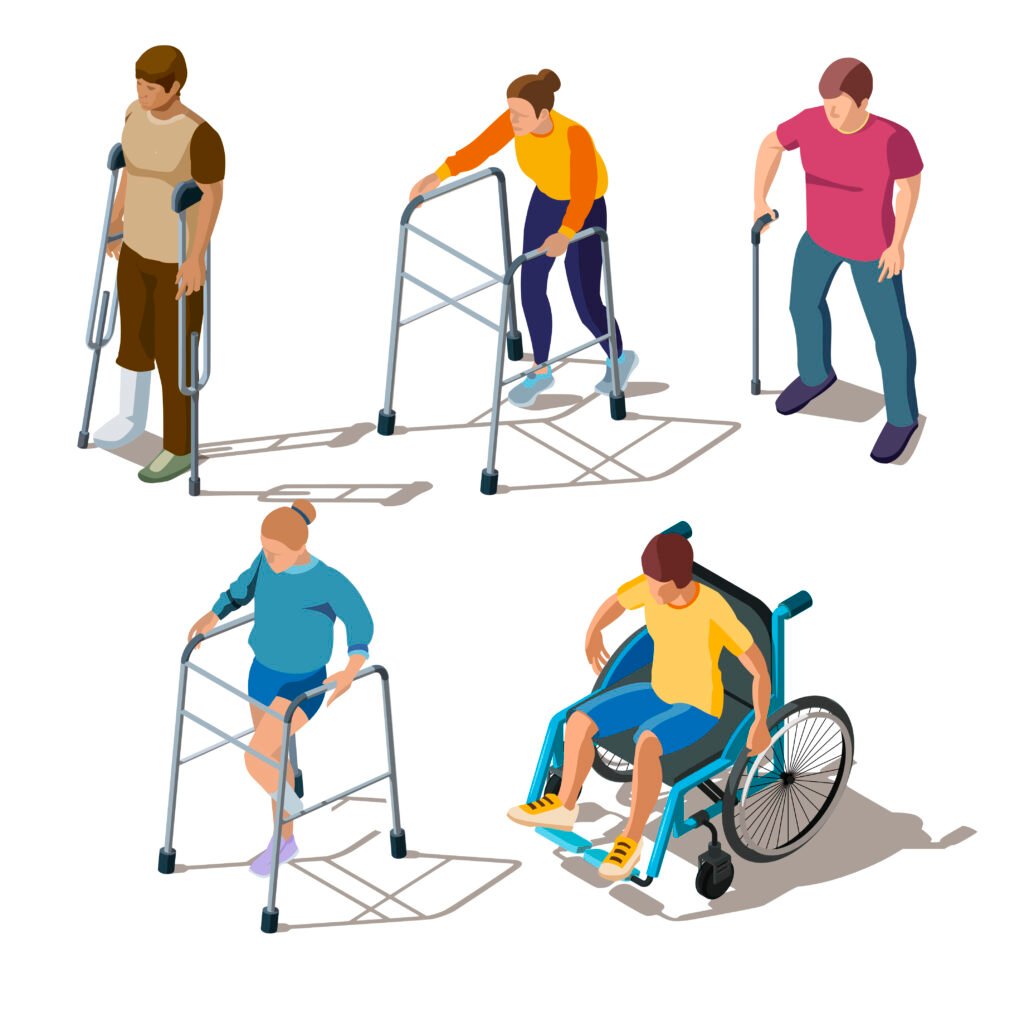
Understanding Paralysis
Paralysis is the loss of muscle function in part or all of the body, resulting from damage to the nervous system. Depending on the location and extent of nerve injury, paralysis may be temporary or permanent, and it can affect sensations as well as movement. Early recognition of symptoms and awareness of underlying causes are essential to prompt evaluation and management.
Types of Paralysis
Monoplegia
Paralysis confined to a single limb (one arm or one leg), often due to localized nerve injury or stroke affecting a limited brain area.Hemiplegia
Paralysis on one side of the body (arm and leg), most commonly resulting from a stroke or a brain lesion on the opposite hemisphere.Paraplegia
Paralysis of both legs and the lower trunk, usually caused by spinal cord injury or disease at the thoracic, lumbar, or sacral levels.Quadriplegia (Tetraplegia)
Paralysis of all four limbs and the torso, typically due to cervical spinal cord injury or high-level neurological disease.Facial Paralysis
Loss of voluntary muscle movement in the face; can be unilateral (e.g., Bell’s palsy) or bilateral in rare cases.
Common Causes of Paralysis
Vascular Events
Stroke (ischemic or hemorrhagic) leading to hemiplegia.
Spinal cord infarction causing paraplegia or quadriplegia.
Traumatic Injuries
Motor vehicle accidents, falls, or sports injuries damaging the spinal cord or peripheral nerves.
Neurological Diseases
Multiple sclerosis: demyelination causing fluctuating weakness.
Amyotrophic lateral sclerosis (ALS): progressive motor neuron loss.
Guillain‑Barré syndrome: post‑infectious peripheral nerve inflammation.
Infections and Inflammation
Poliomyelitis, transverse myelitis, or meningitis leading to nerve or spinal cord damage.
Neoplastic and Structural Lesions
Tumors or cysts compressing the spinal cord or brain pathways.
Vascular malformations (e.g., arteriovenous malformations).
Recognizing Symptoms
Muscle Weakness or Inability to Move
Sudden or gradual loss of strength in one or more limbs.Sensory Changes
Numbness, tingling, or “pins and needles” in the affected area.Muscle Spasticity or Flaccidity
Stiff, tight muscles (spasticity) or limp, floppy limbs (flaccidity).Loss of Reflexes
Diminished or absent tendon reflexes in the affected muscles.Associated Signs
Pain at the injury site, changes in bladder or bowel control, difficulty speaking or swallowing (if facial or bulbar muscles are involved).
Understanding these categories, causes, and warning signs of paralysis empowers patients and caregivers to seek timely neurological assessment and begin appropriate interventions. If you notice any sudden weakness or loss of movement, it’s important to consult a healthcare professional without delay.